How to Spot Value-Add Opportunities in San Francisco Real Estate
A dated kitchen, an awkward floor plan, or an unfinished lower level can make a property easy to overlook. For buyers who can see how a home could function differently, those same features may offer an opportunity to create a home they love while building equity. The strongest value-add purchases combine a desirable property, a clear improvement plan, and a purchase price that leaves room for the full cost of the work.
As real estate investors, we have purchased and improved many properties ourselves, working through the same decisions our buyers face: what to pay, which improvements to make, and how to keep the total investment aligned with the finished property’s value. That firsthand experience informs how we evaluate opportunities for our clients. Our background in investing, construction, and renovation helps buyers understand how a property could become a home that better fits their lives. Drew Wilkerson also ranked as San Francisco’s #2 buyer’s agent by transaction count in 2025, bringing transaction expertise alongside that practical project experience.
What makes a property a value-add opportunity?
For a homebuyer, a value-add opportunity is a property that can become a better home through thoughtful improvements, with a total purchase and renovation cost that makes sense relative to its completed value. That could mean updating an otherwise well-configured home, improving an inefficient layout, or creating additional legal living space for your household.
A lower price alone does not establish the opportunity. A home may be priced below renovated properties because the work needed to bring it to that standard is substantial. The useful comparison is between the total acquisition and improvement cost and a realistic estimate of the completed property’s value. The opportunity also needs to fit how you want to live. A renovation that creates a comfortable home for the years ahead can be worthwhile even when every personal preference does not translate directly into resale value. Understanding that distinction helps buyers make deliberate choices about where to spend.
Look for qualities that renovations can build on
Location, natural light, outlooks, lot configuration, and a building’s basic proportions help establish the starting point. Finishes are easier to change than a home’s position on the block or its relationship to neighboring buildings. We look for properties with lasting qualities that thoughtful improvements can bring forward.
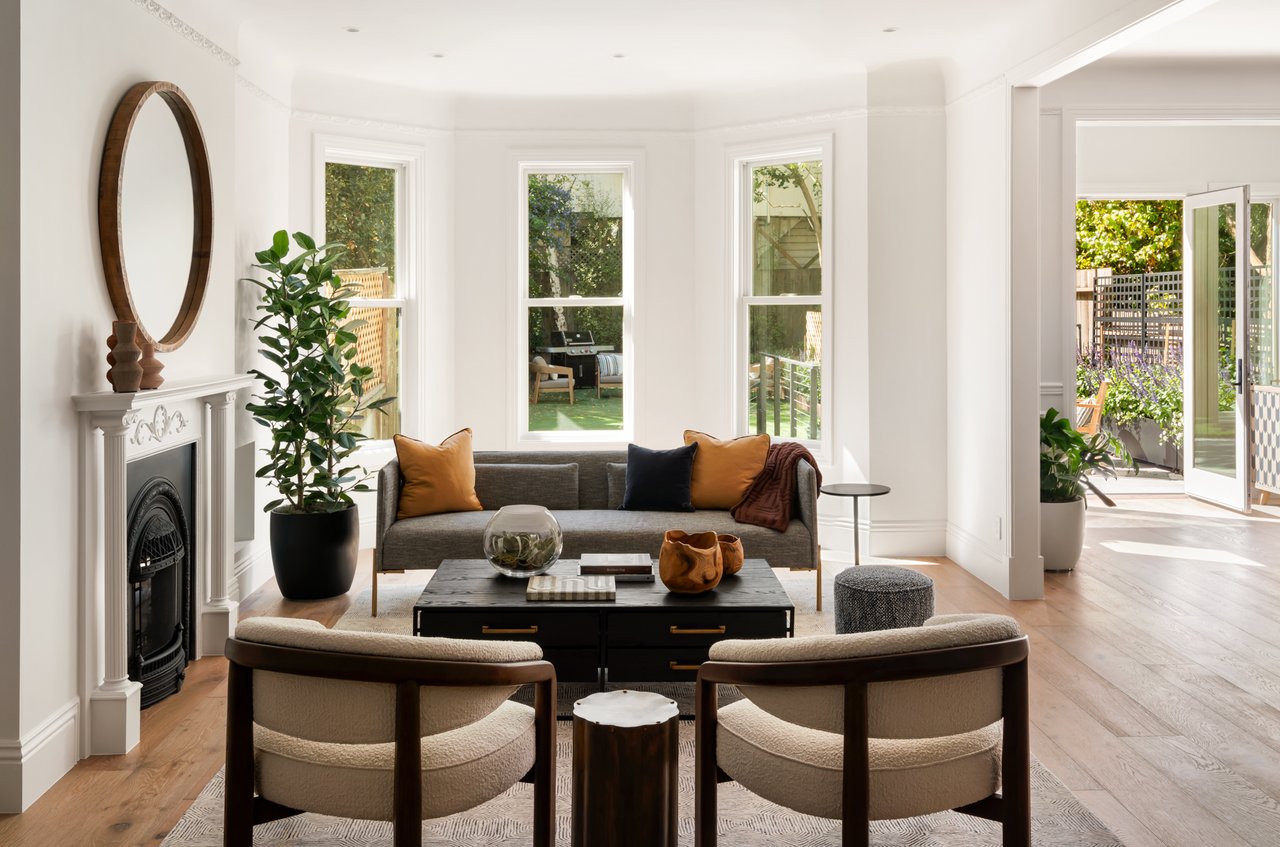
For example, an older Richmond District home might have generous rooms, appealing period details, and a garden that feels disconnected from everyday living. A plan that preserves its character while improving the kitchen and access to the yard could make the home substantially more enjoyable. The opportunity depends on the specific layout, scope, and purchase price; being dated is only the beginning of the evaluation.
Find layouts that could work harder
Some homes have enough space but use it inefficiently. An oversized hallway, an isolated kitchen, or poorly arranged bedrooms may limit how comfortably the home lives. A thoughtful reconfiguration can sometimes address those shortcomings within the existing footprint.
Start with the problem the renovation would solve. Would a second bathroom make the home work for a growing household? Could a better connection between the kitchen and living areas improve daily life? Would changing circulation create a more private primary suite?
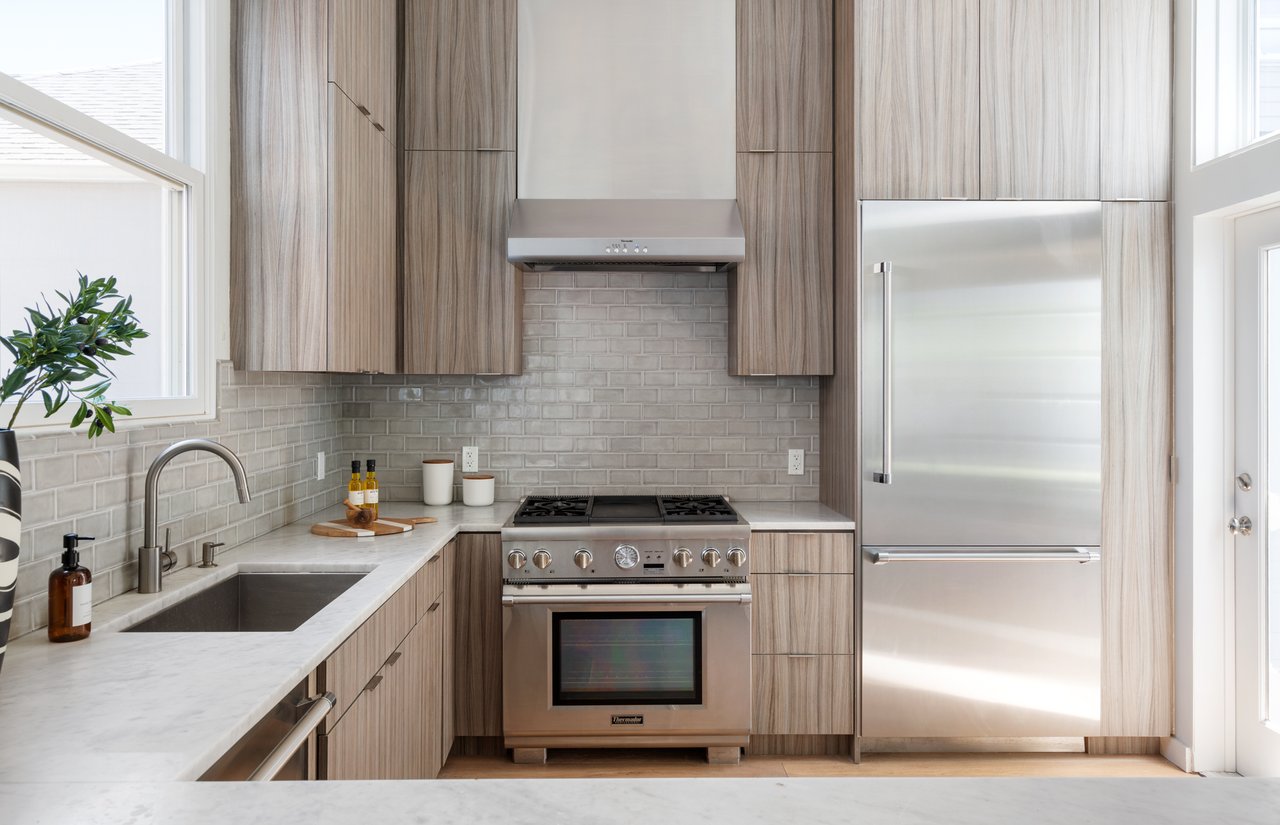
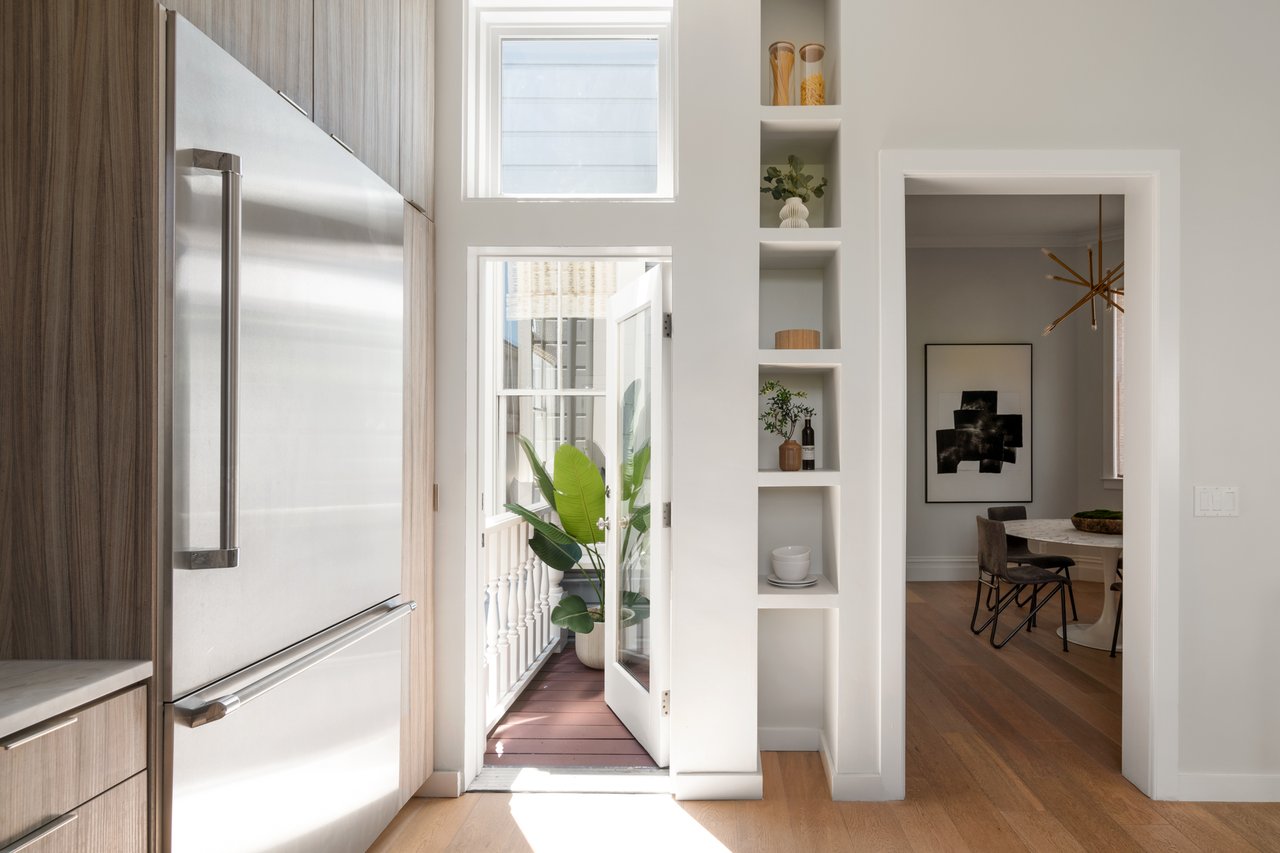
The next step is understanding what those changes require. Moving a doorway and relocating a kitchen involve very different scopes. Structural work, plumbing locations, and the effect on surrounding rooms all influence whether an appealing idea becomes a worthwhile project. A good plan improves the home as a whole rather than adding a feature at the expense of everything around it.
Recognize underused space—and understand what it can become
Garage-level areas, storage rooms, and unfinished lower levels deserve attention because they may provide room for a home to evolve. Depending on the property, that could mean a family room, an additional bedroom and bathroom, or an accessory dwelling unit for extended family. The starting point is how the space could serve your household.
These are distinct projects with different requirements. Ceiling heights, access, natural light, structural conditions, utilities, and the applicable approval process help determine the appropriate path. San Francisco Planning’s ADU resources explain the available programs and provide a starting point for property-specific evaluation.
In our two-unit building case study, substantial undeveloped garage-level space offered our buyers the opportunity to create a third unit for visiting family or future needs. That potential was an additional benefit alongside the renovations to their existing residences. When evaluating another building, the same questions need fresh answers: what can legally be created, what will it cost, and how will it serve the owners?
Distinguish cosmetic work from a larger project
Fresh paint, refinished floors, better lighting, and carefully selected finishes can bring out a home’s existing strengths. A property that needs those changes presents a different undertaking from one that also needs a roof, extensive electrical work, foundation repairs, or significant moisture remediation.
Both may offer opportunities, but the investment needs to reflect the full condition of the building. Behind-the-walls work can be essential to a successful renovation even when it does not produce a corresponding increase in resale value. Reviewing disclosures and inspections alongside the proposed design helps buyers understand how much of their investment will improve the home’s appeal and how much will address existing maintenance or building needs.
For condominiums and TICs, the evaluation also extends beyond the individual residence. Shared building work and the ownership documents can affect the cost, timing, and scope of improvements.
Compare the full cost with buying a renovated home
One of the most useful comparisons is between purchasing a home that needs work and buying a similar home that is already renovated. Recent sales should be relevant in location, size, layout, condition, outdoor space, parking, and ownership type. That comparison helps establish whether taking on a renovation offers a financial advantage and how much room there is to tailor the home to your needs.
The full cost should include the purchase and closing expenses, construction, design and engineering, permits, financing, and an allowance for unforeseen conditions. If you cannot live in the home during the work, temporary housing and the cost of owning the property while living elsewhere belong in the calculation too. Consider whether the purchase would still feel comfortable if the work took longer or cost more than expected. A clear picture of the total commitment helps buyers decide whether the chance to personalize a home is worth the time and effort involved.
Investing in our own projects has made us deliberate about where renovation dollars go. An expensive finish may be personally worthwhile without adding its full cost to the property’s market value. We bring that same discipline to our clients’ purchases, helping them distinguish improvements that solve meaningful problems from spending that could erode the advantage of the purchase.
Consider how the home can grow with you
A home does not need to meet every future need on move-in day to be the right purchase. A property with a workable layout today and a clear path to an additional bathroom, a more functional kitchen, or space for visiting family may allow buyers to stay in a neighborhood they love as their needs change.
The important distinction is between improvements you need immediately and those you would be happy to make over time. If the home only works for your household after a substantial renovation, the purchase needs to account for that work from the beginning. If it already lives comfortably, you may have more flexibility to learn how you use the space before deciding what to change. Either way, the value lies in a home that can serve you well for years, with improvements that make sense for both your life and the property.
How do you recognize the right opportunity for you?
The right project fits both the property and the buyer. Someone who wants a manageable update before moving in will evaluate a home differently from a buyer comfortable coordinating a substantial renovation. Available funds, financing, temporary housing, and willingness to manage decisions all belong in the conversation early.
Having invested in and improved many projects ourselves, we understand both the possibilities and the practical work involved in bringing them to life. We help buyers look beyond a home’s current presentation, evaluate the improvements that could make the greatest difference, and connect with experienced professionals to clarify scope and cost. The goal is a purchase supported by a clear understanding of the property today and a thoughtful plan for what comes next.
If you are considering a San Francisco property with renovation potential, we would welcome the opportunity to help you evaluate it and find a path that fits your goals.